


- Angelica Clark
- Jan 1
- 6 min read
Why 1–2 Cups a Day Could Transform Your Health from the Inside Out
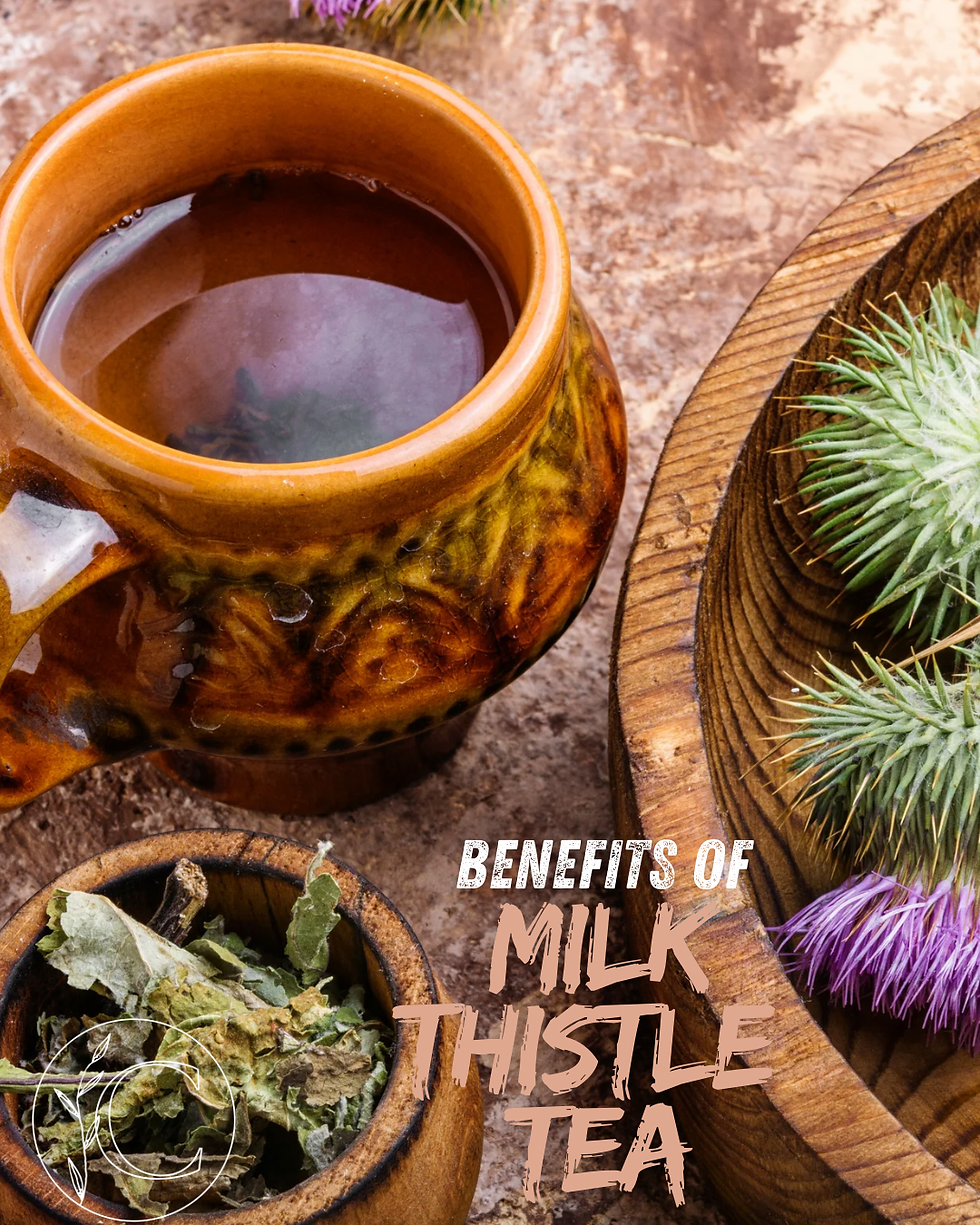
When we think about health-boosting beverages, green tea and herbal infusions often steal the spotlight. But there's an unsung hero sitting quietly on the wellness shelf that deserves far more attention: milk thistle tea. This ancient remedy, used for over 2,000 years, offers a treasure trove of benefits—many of which remain hidden from mainstream awareness.
As a functional medicine practitioner, I'm always looking for simple, sustainable habits that create meaningful change. Drinking 1–2 cups of milk thistle tea daily is one of those practices that can quietly revolutionize your health—particularly when it comes to supporting your liver, balancing hormones, and protecting your cells from everyday damage.
What Makes Milk Thistle So Special?
Milk thistle (Silybum marianum) gets its power from a group of flavonoid compounds collectively known as silymarin. Silymarin is the active ingredient responsible for the plant's remarkable healing properties, and it's concentrated primarily in the seeds of the milk thistle plant.
But here's what many people don't realize: silymarin isn't just one compound—it's actually a complex of at least seven distinct flavonolignans, with silybin (also called silibinin) being the most potent and well-studied. This complexity is what gives milk thistle its multifaceted therapeutic effects.
The Physiology: How Milk Thistle Works in Your Body
Understanding how milk thistle works helps us appreciate why it's so effective. Let's dive into the fascinating mechanisms at play:
-Liver Cell Protection & Regeneration
Your liver is your body's master detoxifier, processing everything from environmental toxins to metabolic waste products. Silymarin protects liver cells (hepatocytes) through several mechanisms. First, it acts as a powerful antioxidant, neutralizing free radicals before they can damage cell membranes. Second, it stabilizes liver cell membranes, making them more resistant to toxic insults. Third—and this is remarkable—silymarin actually stimulates protein synthesis within liver cells, promoting regeneration and repair of damaged tissue.
-Glutathione Enhancement
Glutathione is often called your body's "master antioxidant," and for good reason—it's essential for detoxification, immune function, and cellular repair. Research shows that silymarin can increase glutathione levels in the liver by up to 35%. This boost in glutathione amplifies your body's natural detoxification capacity and provides enhanced protection against oxidative stress.
-Anti-Inflammatory Action
Chronic inflammation underlies virtually every modern disease, from heart disease to autoimmune conditions. Silymarin inhibits the NF-κB pathway—a key molecular switch that controls inflammation throughout your body. By modulating this pathway, milk thistle helps keep inflammation in check without the side effects of pharmaceutical anti-inflammatories.
-Hidden Benefits You Might Not Know About
While liver support is milk thistle's claim to fame, its benefits extend far beyond detoxification:
-Hormone Balance Support
Your liver is responsible for metabolizing and clearing excess hormones, particularly estrogen. When liver function is compromised, estrogen can accumulate and recirculate, contributing to conditions like PMS, heavy periods, fibroids, and estrogen-dominant symptoms. By optimizing liver function, milk thistle indirectly supports healthy hormone metabolism—a connection that's often overlooked in conventional medicine.
-Blood Sugar Regulation
Emerging research suggests that silymarin may improve insulin sensitivity and help regulate blood sugar levels. This makes milk thistle a valuable ally for anyone working to optimize their metabolic health—whether you're managing blood sugar concerns or simply want to maintain steady energy throughout the day.
-Skin Health from Within
In functional medicine, we often say that the skin is a window to the liver. When your liver is burdened, it can show up as acne, dullness, rashes, or premature aging. By supporting liver detoxification, milk thistle helps your body eliminate toxins more efficiently—often resulting in clearer, more radiant skin over time.
-Digestive Support
The liver produces bile, which is essential for fat digestion and nutrient absorption. Milk thistle supports healthy bile production and flow, which can ease symptoms like bloating after fatty meals and improve overall digestive comfort.
How to Incorporate Milk Thistle Tea into Your Routine
Making milk thistle tea a daily habit is simple. For optimal benefits, aim for 1–2 cups per day. Many people enjoy their first cup in the morning to support their body's natural detoxification processes, with a second cup in the afternoon or evening.
To brew: steep 1–2 teaspoons of milk thistle seeds (crushed or whole) in hot water for 10–15 minutes. The longer steep time helps extract more of the beneficial compounds. You can also find pre-made milk thistle tea bags at most health food stores.
Pro tip: Milk thistle has a mild, slightly nutty flavor that pairs beautifully with a touch of honey or lemon. You can also blend it with peppermint or dandelion root for added digestive support.
Who Might Benefit Most from Milk Thistle Tea?
While almost anyone can enjoy milk thistle tea as part of a healthy lifestyle, certain individuals may find it particularly supportive:
-Those with higher toxic exposures: If you work around chemicals, live in an urban environment with higher pollution levels, or have known exposures to mold or environmental toxins, your liver is working overtime. Milk thistle can offer additional support for your body's detoxification pathways.
-People who consume alcohol socially: Even moderate alcohol consumption places demands on the liver. Milk thistle has been traditionally used to support liver health in those who enjoy occasional drinks.
-Individuals taking multiple medications: Many pharmaceuticals are processed through the liver. While you should always consult your healthcare provider about interactions, milk thistle may offer supportive benefits for those whose livers are processing multiple medications.
-Women experiencing hormone-related symptoms: Because the liver plays a crucial role in estrogen metabolism, those dealing with PMS, irregular cycles, or perimenopause symptoms may find gentle liver support helpful.
-Anyone focused on metabolic health: If you're working on blood sugar balance, weight management, or overall metabolic optimization, milk thistle's effects on insulin sensitivity may complement your efforts.
-Those with skin concerns: Persistent acne, eczema flares, or dull skin that doesn't respond to topical treatments may signal that internal detoxification support could be beneficial.
-Post-holiday or post-indulgence reset: After periods of richer foods, more sugar, or celebratory drinks (hello, holiday season!), milk thistle tea can be a gentle way to support your body's natural reset.
Who Should Use Caution or Avoid Milk Thistle
Milk thistle has an excellent safety profile and has been used for centuries. However, certain individuals should exercise caution or avoid it altogether:
-Allergy to the Asteraceae/Compositae family: Milk thistle belongs to the same plant family as ragweed, daisies, marigolds, and chrysanthemums. If you have known allergies to these plants, you may also react to milk thistle. Start with a very small amount or avoid altogether.
-Pregnancy and breastfeeding: There is insufficient research on milk thistle's safety during pregnancy and lactation. While it has been used traditionally, it's best to err on the side of caution and consult with your healthcare provider before use.
-Hormone-sensitive conditions: Because silymarin may have mild estrogenic effects, individuals with hormone-sensitive conditions such as breast cancer, uterine cancer, ovarian cancer, endometriosis, or uterine fibroids should consult their healthcare provider before using milk thistle.
-Those on certain medications: Milk thistle may interact with medications metabolized by the liver, including some statins, anti-anxiety medications, blood thinners, and allergy drugs. It may also affect blood sugar medications and hormone therapies. Always discuss with your prescribing provider before combining with any medications.
-Diabetics on medication: Because milk thistle may lower blood sugar, those taking diabetes medications should monitor closely and work with their healthcare team to avoid potential hypoglycemia.
-Scheduled surgery: Due to potential effects on blood sugar and liver enzyme activity, it's generally recommended to discontinue milk thistle at least two weeks before any scheduled surgical procedure.
─────────────────
DISCLAIMER: This information is for educational purposes only and is not intended as medical advice, diagnosis, or treatment. Every individual is unique, and what works for one person may not be appropriate for another. Always consult with a qualified healthcare provider before starting any new supplement, especially if you have existing health conditions, are pregnant or nursing, or are taking medications. The information provided here does not replace the relationship between you and your healthcare provider.
─────────────────
The Bottom Line
In a world full of complicated health protocols and expensive interventions, milk thistle tea stands out as a simple, affordable, and time-tested way to support your body's natural healing capacity. From protecting your liver to balancing hormones, regulating blood sugar, and promoting radiant skin, its benefits reach into nearly every aspect of your health.
This January, as you set intentions for a healthier year, consider making milk thistle tea part of your daily wellness ritual. Sometimes the most profound changes come from the simplest habits.
Did you find this helpful? Share this post with a friend who could benefit from a little extra liver love this year!
─────────────────
About the Author
Angelica Clark, PA-C, IFMCP is the founder of Clark Wellness, a functional medicine practice serving Waco and Hamilton, Texas. With over 17 years of clinical experience, Angelica is passionate about helping patients uncover the root causes of their health challenges and guiding them toward lasting wellness.
Ready to take your health to the next level? Schedule a consultation at Clark Wellness to discover how functional medicine can help you thrive.


