


Home Fitness Workouts: 10 Best Exercises to Do at Home
- Angelica Clark
- 11 minutes ago
- 5 min read
Finding the right exercises to do at home can feel overwhelming, especially when managing chronic health issues. But the good news is, you don’t need fancy equipment or a gym membership to stay active and improve your well-being. I’ve put together a practical guide to help you move confidently and safely in your own space. These exercises are designed to be gentle yet effective, supporting your journey toward better health and vitality.
Why Home Fitness Workouts Are a Great Choice
Working out at home offers flexibility and comfort. You control the pace, environment, and timing. This is especially important if you’re dealing with chronic conditions that require a personalized approach. You can start slow, listen to your body, and gradually build strength without pressure.
Plus, home fitness workouts eliminate common barriers like travel time and crowded gyms. You can fit in a session whenever it suits you, even if it’s just 10 or 15 minutes. Consistency is key, and having a routine at home makes it easier to stick with it.
The 10 Best Exercises to Do at Home
Here’s a list of exercises that target different muscle groups and promote overall mobility. Each one can be modified to match your current fitness level. Remember, the goal is progress, not perfection.
Wall Push-Ups
A gentle way to strengthen your upper body without straining your joints. Stand facing a wall, place your hands shoulder-width apart, and slowly bend your elbows to bring your chest closer to the wall. Push back to the starting position.
Tip: Keep your body straight and engage your core.
Chair Squats
Perfect for building leg strength and improving balance. Stand in front of a sturdy chair, feet hip-width apart. Lower yourself as if sitting down, lightly touch the chair with your hips, then stand back up.
Tip: Use your arms for balance if needed.
Seated Leg Lifts
Great for strengthening your thighs and improving circulation. Sit on a chair with your back straight. Slowly lift one leg straight out, hold for a few seconds, then lower it. Repeat with the other leg.
Tip: Keep your movements controlled.
Bird Dog
This exercise improves core stability and coordination. Start on your hands and knees. Extend your right arm forward and left leg back, hold briefly, then return to start. Switch sides.
Tip: Keep your back flat and avoid arching.
Glute Bridges
Strengthen your hips and lower back by lying on your back with knees bent and feet flat on the floor. Lift your hips toward the ceiling, squeezing your glutes, then lower down slowly.
Tip: Don’t overextend your lower back.
Standing Calf Raises
Improve ankle strength and balance by standing with feet hip-width apart. Rise onto your toes, hold for a moment, then lower back down.
Tip: Hold onto a chair for support if needed.
Arm Circles
Loosen up your shoulders and improve circulation. Extend your arms out to the sides and make small circles, gradually increasing the size. Reverse direction after 30 seconds.
Tip: Keep your shoulders relaxed.
Heel-to-Toe Walk
Enhance balance and coordination by walking in a straight line, placing the heel of one foot directly in front of the toes of the other.
Tip: Use a wall or chair for support if you feel unsteady.
Side Leg Raises
Strengthen your hip abductors by lying on one side and lifting the top leg slowly upward. Lower it back down with control. Repeat on the other side.
Tip: Keep your hips stacked and avoid leaning forward.
10. Modified Plank
Build core strength by holding a plank position on your forearms and knees instead of toes. Keep your body in a straight line from head to knees.
Tip: Engage your abdominal muscles and breathe steadily.

These exercises cover strength, balance, and flexibility, which are all crucial for managing chronic health issues. You can mix and match them to create a routine that feels right for you.
Can Exercise Help Nerve Damage?
If you’re wondering whether exercise can aid nerve damage recovery, the answer is yes, but with some important considerations. Gentle, consistent movement can improve blood flow, reduce inflammation, and promote nerve regeneration. However, it’s essential to choose exercises that don’t cause pain or worsen symptoms.
For example, low-impact activities like the bird dog or glute bridges can support nerve health by strengthening surrounding muscles and improving posture. Always listen to your body and consult with a healthcare professional before starting new exercises, especially if you have nerve-related conditions.
Exercise can also help reduce the secondary effects of nerve damage, such as muscle weakness and decreased mobility. Over time, this can lead to better function and less discomfort.
Tips for Staying Motivated with Home Fitness Workouts
Staying motivated can be challenging, but small strategies make a big difference. Here are some ideas to keep you moving:
Set realistic goals. Start with achievable targets like 10 minutes a day and gradually increase.
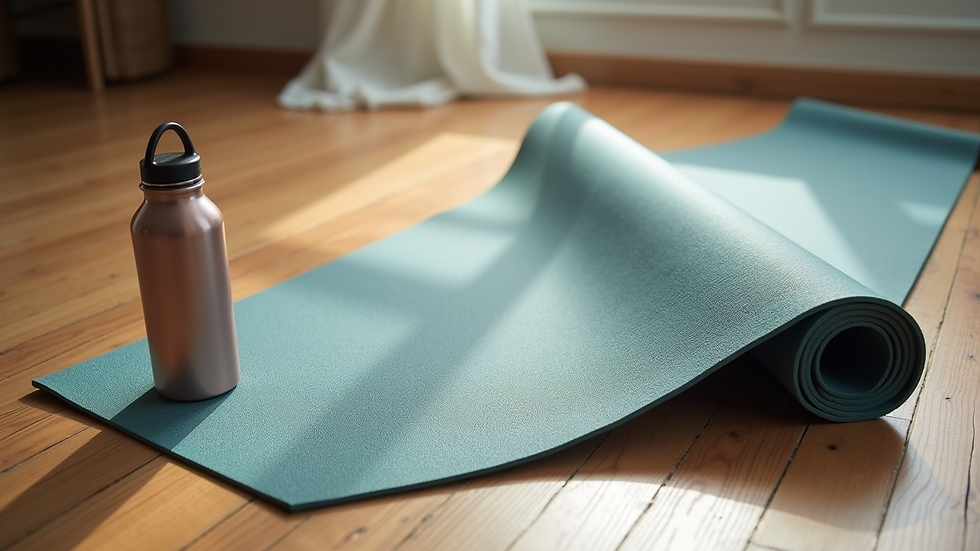
Create a dedicated space. Even a small corner with a mat can make workouts feel special.
Track your progress. Use a journal or app to note improvements and celebrate milestones.
Mix it up. Rotate exercises to keep things interesting and work different muscle groups.
Invite a buddy. Sometimes, sharing your routine with a friend or family member adds accountability and fun.
Remember, every bit of movement counts. You’re investing in your health and reclaiming your vitality.
How to Adapt Exercises for Chronic Health Conditions
Adapting exercises to your unique needs is crucial. Here’s how you can modify the above exercises safely:
Reduce range of motion. If full movement causes discomfort, perform smaller, controlled motions.
Use support. Chairs, walls, or cushions can provide stability and reduce strain.
Pace yourself. Take breaks as needed and avoid pushing through pain.
Focus on breathing. Deep, steady breaths help relax muscles and improve oxygen flow.
Warm up and cool down. Gentle stretching before and after exercise prevents injury and stiffness.
If you experience unusual pain, numbness, or dizziness, stop immediately and consult your healthcare provider. Your safety is the priority.
Making Home Fitness Workouts Part of Your Daily Life
Incorporating these exercises into your daily routine doesn’t have to be complicated. Here’s a simple plan to get started:
Morning stretch and warm-up: 5 minutes of arm circles and heel-to-toe walking.
Midday strength session: 15 minutes including wall push-ups, chair squats, and glute bridges.
Evening balance and core: 10 minutes of bird dog, side leg raises, and modified plank.
Adjust the timing and order based on how you feel each day. Consistency over time will build strength, improve mobility, and support your overall health.
If you want a helpful resource, check out this 10 best exercises to do at home guide for more detailed instructions and tips.
Embracing Movement as a Path to Wellness
Taking control of your health through movement is empowering. These home fitness workouts are more than just exercises - they’re tools to help you regain strength, reduce pain, and enhance your quality of life. You don’t have to do it all at once. Start small, be patient, and celebrate every step forward.
Remember, your body is capable of amazing things. With the right approach, you can nurture it back to vitality and enjoy the benefits of a more active, balanced life. So, why not start today? Your future self will thank you.


Comments