top of page

Updated: Jun 19, 2023

Insulin resistance affects millions of people worldwide, increasing the risk of type 2 diabetes and cardiovascular disease. However, with lifestyle changes and proactive measures, you can reverse insulin resistance and regain control of your metabolic health. In this blog post, we will explore seven essential steps to help you overturn insulin resistance and achieve hormonal balance.


Step 1: Adopt a Healthy Diet

Start by adopting a healthy, balanced diet. Focus on whole foods such as fruits, vegetables, lean proteins, and whole grains. Minimize processed foods, refined carbohydrates, and sugary beverages, as they can spike blood sugar levels. Aim for foods rich in fiber to regulate blood sugar. Incorporate healthy fats like avocados, nuts, and olive oil, which improve insulin sensitivity.


Step 2: Engage in Regular Physical Activity

Regular exercise is crucial in combating insulin resistance. Aim for at least 150 minutes of moderate-intensity aerobic exercise per week, along with strength training exercises. Exercise increases insulin sensitivity, allowing cells to utilize glucose efficiently. Find activities you enjoy and make them a regular part of your routine.


Step 3: Prioritize Weight Management

Maintaining a healthy weight is vital to reversing insulin resistance. Excess body fat, particularly around the abdomen, contributes to insulin resistance. Create a calorie deficit through a healthy diet and regular exercise to promote gradual, sustainable weight loss.


Step 4: Intermittent Fasting

Consider incorporating intermittent fasting into your routine. This eating pattern involves cycling between periods of eating and fasting. It can help improve insulin sensitivity, regulate blood sugar levels, and promote weight loss. Start with a simple 12-hour overnight fast and gradually increase the fasting window to 16 or even 18 hours, if appropriate for your health and lifestyle.


Step 5: Get Sufficient Sleep

Adequate sleep is crucial for metabolic health and insulin regulation. Poor-quality sleep disrupts hormonal balance, leading to insulin resistance. Aim for seven to eight hours of quality sleep per night. Establish a consistent sleep routine, create a comfortable sleep environment, and practice relaxation techniques before bed to enhance sleep quality.


Step 6: Manage Stress Levels

Chronic stress contributes to insulin resistance by raising cortisol levels and disrupting hormone regulation. Incorporate stress management techniques into your daily routine, such as mindfulness meditation, deep breathing exercises, stretching, or engaging in hobbies you enjoy. Prioritize self-care and seek support from a therapist or counselor to develop effective coping strategies.


Step 7: Hormone Balance

Achieving hormonal balance is essential for reversing insulin resistance. Certain hormones, such as estrogen, testosterone, and thyroid hormones, play a role in metabolic health. Consult with a healthcare professional, such as an endocrinologist or functional medicine practitioner, to assess your hormone levels and determine if any imbalances need addressing through lifestyle modifications or medical interventions.
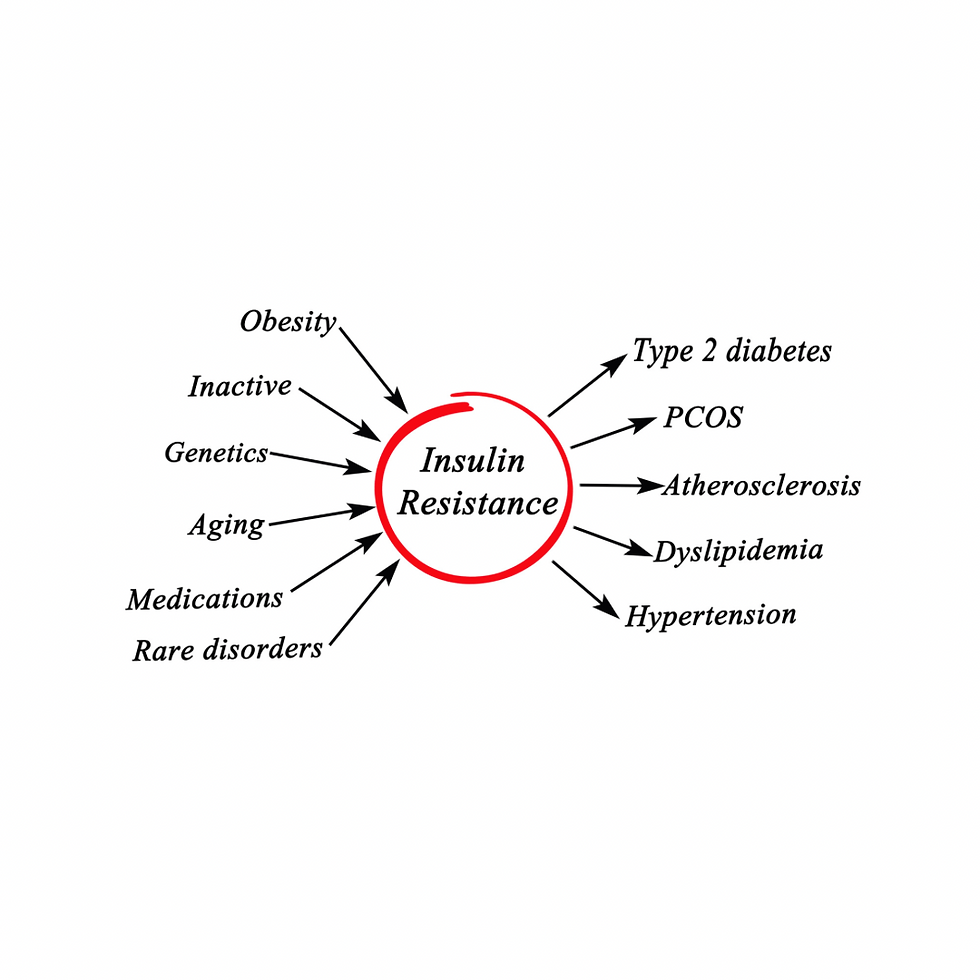


Reversing insulin resistance and achieving hormonal balance requires dedication and lifestyle changes. However, you will prevent a series of conditions caused by this such as cardiovascular disease, PCOS, Diabetes etc. By adopting a healthy diet, engaging in regular physical activity, managing your weight, incorporating intermittent fasting, getting sufficient sleep, managing stress levels, and addressing hormone imbalances, you can regain control of your metabolic health and reduce the risk of complications.

Remember to consult with a functional medicine practitioner for personalized advice and support throughout your journey. Take these steps today and embark on a path toward improved well-being and vitality.

Angelica Clark PA-C, IFMCP is qualified to help you make a change today, contact us for an appointment at (254) 3868149. www.clarkwellnesswaco.com


Updated: Jun 16, 2023

Weight loss resistance refers to the difficulty or inability to lose weight despite efforts to follow a healthy diet and engage in regular exercise. Several factors can contribute to weight loss resistance, and it's important to address these underlying causes to achieve successful weight loss.


Here are some common causes of weight loss resistance:

1. Hormonal imbalances: Hormones play a significant role in regulating metabolism and weight management. Imbalances in hormones such as insulin, cortisol, thyroid hormones, and sex hormones can affect metabolism, fat storage, and energy balance, making weight loss more challenging. Addressing hormonal imbalances through appropriate testing and targeted interventions is crucial. At Clark Wellness we can evaluate your sex, adrenal and thyroid hormones.

2. Chronic inflammation: Inflammation in the body can disrupt normal metabolic processes and interfere with weight loss. Factors such as poor diet, stress, sedentary lifestyle, and certain medical conditions can contribute to chronic inflammation. Identifying and addressing the sources of inflammation through dietary changes, stress management, and targeted supplementation can help overcome weight loss resistance.

3. Poor gut health: Imbalances in the gut microbiome, such as dysbiosis (an imbalance in the types and proportions of bacteria), can impact metabolism and contribute to weight gain. Poor gut health can also affect nutrient absorption and lead to systemic inflammation. Restoring gut health through dietary modifications, probiotics, and gut-healing protocols can support weight loss efforts. We can assess your gut health clinically, breath tests and stool analysis.

4. Metabolic adaptation: Prolonged calorie restriction or repetitive dieting can lead to metabolic adaptation, where the body adjusts its metabolic rate to conserve energy. This can make weight loss more challenging over time. Taking a strategic approach to nutrition, such as incorporating regular periods of adequate calorie intake or implementing intermittent fasting, can help overcome metabolic adaptation.

5. Underlying medical conditions: Certain medical conditions, such as hypothyroidism, polycystic ovary syndrome (PCOS), insulin resistance, and sleep disorders, can contribute to weight loss resistance. Identifying and managing these underlying conditions with appropriate medical care and lifestyle modifications is essential for successful weight loss. We can thoroughly evaluate using our functional medicine protocol.

6. Emotional and psychological factors: Emotional eating, stress, lack of sleep, and poor coping mechanisms can sabotage weight loss efforts. Addressing emotional and psychological factors through stress management techniques, counseling, and behavior modification strategies can support sustainable weight loss.

It's important to work with a healthcare professional, such as a functional medicine practitioner, who can help identify the specific underlying causes of weight loss resistance and develop an individualized treatment plan.Angelica Clark PA-C, IFMCP is a certified functional medicine practitioner in Waco and Hamilton, Texas. Call us today at (254) 3868149 to schedule and appointment. For more information, check our website www.clarkwellnesswaco.com

(254) 3868149

References:

1. Dulloo AG, Montani JP. Pathways from dieting to weight regain, to obesity and to the metabolic syndrome: An overview. Obes Rev. 2015;16 Suppl 1:1-6.

2. Brestoff JR, et al. Gut microbiota: The link to your second brain. Cell. 2013;153(5):947-958.

3. Panickar KS, et al. Metabolic syndrome and gut microbiota: An interactive insight. Front Endocrinol (Lausanne). 2021;11:594030.

4. Sofer S, et al. Association between adherence to the Mediterranean diet and weight loss during the Mediterranean diet weight loss trial. Eur J Clin Nutr. 2019;73(1):73-80.

5. Löffler-Wirth H, et al. Psychological factors of obesity. Front Psychiatry. 2019;10:617.

6. Carels RA, et al. The role of motivation and self-regulation in weight loss maintenance: A qualitative study. J Health Psychol. 2019;24(13):1793-1804.


Updated: Jun 16, 2023

Here are ten quick and protein-rich breakfast ideas that can support your weight loss goals:


1. Greek Yogurt Parfait: Layer low-fat Greek yogurt with mixed berries and a sprinkle of nuts or granola for added texture and protein.

2. Scrambled Eggs with Vegetables: Whip up a quick and nutritious breakfast by scrambling eggs with a variety of colorful vegetables like spinach, peppers, and mushrooms.


3. Protein Smoothie: Blend a combination of protein powder (such as whey or plant-based), fruits, vegetables, and a liquid of your choice (milk, almond milk, or water) for a quick and convenient protein-rich breakfast.


4. Avocado Toast with Egg: Toast a slice of whole-grain bread, spread mashed avocado on top, and add a poached or fried egg for a satisfying and protein-packed breakfast option.


5. Cottage Cheese and Fruit: Pair cottage cheese with your favorite fruits, such as sliced strawberries, pineapple chunks, or blueberries. This simple combination offers a good balance of protein and natural sweetness.


6. Quinoa Breakfast Bowl: Cook quinoa and top it with Greek yogurt, mixed berries, and a drizzle of honey or a sprinkle of nuts for a filling and protein-rich breakfast bowl.


7. Veggie Omelette: Whisk together eggs with diced vegetables like spinach, tomatoes, onions, and mushrooms. Cook the mixture into a fluffy omelette for a nutrient-dense and protein-packed breakfast.


8. Chia Seed Pudding: Mix chia seeds with milk (dairy or plant-based) and a touch of sweetener. Let it sit overnight, and in the morning, you'll have a creamy and protein-rich pudding. Top it with fresh berries or nuts for added flavor and texture.


9. Protein Pancakes: Make pancakes using a protein pancake mix or by adding protein powder to your favorite pancake recipe. Top them with Greek yogurt, sliced fruits, and a drizzle of honey for a delicious and protein-rich breakfast.


10. Smoked Salmon Wrap: Wrap smoked salmon, sliced avocado, and cucumber in a whole-grain tortilla or lettuce wrap. This savory combination provides ample protein and healthy fats.


Remember to customize portion sizes and ingredients based on your specific dietary needs and consult with a healthcare professional or a holistic nutritionist for personalized advice.

Enjoy these protein-rich breakfast ideas as part of a well-rounded and balanced diet to support your weight loss journey.


Here are the recipes for three protein-rich breakfast options:


1. Greek Yogurt Parfait:

Ingredients:

- 1 cup low-fat Greek yogurt

- 1/2 cup mixed berries (strawberries, blueberries, raspberries)

- 2 tablespoons chopped nuts or granola

- Optional: drizzle of honey or a sprinkle of cinnamon for added sweetness

Instructions:

1. In a glass or bowl, layer half of the Greek yogurt.

2. Add half of the mixed berries on top of the yogurt.

3. Repeat the layering process with the remaining yogurt and berries.

4. Sprinkle the chopped nuts or granola on the top layer.

5. Optionally, drizzle with honey or sprinkle with cinnamon.

6. Enjoy immediately.


2. Vegetable Omelette:

Ingredients:

- 2 large eggs

- 1/4 cup diced vegetables (spinach, bell peppers, mushrooms, onions)

- Salt and pepper to taste

- Optional: 1 tablespoon shredded cheese (such as feta or cheddar)

Instructions:

1. In a bowl, whisk the eggs until well beaten. Season with salt and pepper.

2. Heat a non-stick skillet over medium heat and lightly coat with cooking spray or a small amount of oil.

3. Add the diced vegetables to the skillet and cook until softened.

4. Pour the beaten eggs over the vegetables, spreading them evenly in the skillet.

5. Cook the omelette for a few minutes until the edges set.

6. If using cheese, sprinkle it on one side of the omelette.

7. Gently fold the omelette in half to cover the cheese, if added.

8. Continue cooking for another minute or until the eggs are fully cooked.

9. Transfer the omelette to a plate and serve hot.


3. Chia Seed Pudding:

Ingredients:

- 2 tablespoons chia seeds

- 1/2 cup milk (dairy or plant-based)

- 1 teaspoon sweetener (honey, maple syrup, or agave nectar)

- Optional: sliced fruits, nuts, or coconut flakes for topping

Instructions:

1. In a small bowl or jar, combine chia seeds, milk, and sweetener. Stir well.

2. Let the mixture sit for about 5 minutes, then stir again to prevent clumping.

3. Cover the bowl or jar and refrigerate overnight or for at least 2-3 hours until the chia seeds absorb the liquid and form a pudding-like consistency.

4. When ready to serve, give the chia pudding a good stir to ensure even texture.

5. Top with your choice of sliced fruits, nuts, or coconut flakes.

6. Enjoy chilled.

Feel free to adjust the quantities and ingredients based on your preferences. These recipes offer protein-rich breakfast options that are both delicious and satisfying.


Clark wellness logo
Clark Wellness Logo1
Clark Wellness logo2

Phone

Email

Locations

7524 Bosque Boulevard Suite D.  Waco, Texas - 76708 

113 E Leslie Street. Hamilton, Texas 76531

  • Facebook
  • Instagram
  • Yelp for business

©2025 Clark Wellness, PLLC

bottom of page